Compare a 15L dry bag, 3L hydration pouch, and PVC rope pack to source purpose-built outdoor bags for retail and project demand.
Outdoor buyers often get better results by sourcing bags around a specific activity rather than treating every waterproof pack as interchangeable. Capacity, carrying method, material, and access all affect how a product performs. Three purpose-built designs illustrate what importers, distributors, and outdoor brands should evaluate before placing an order.
Different Activities Require Different Storage
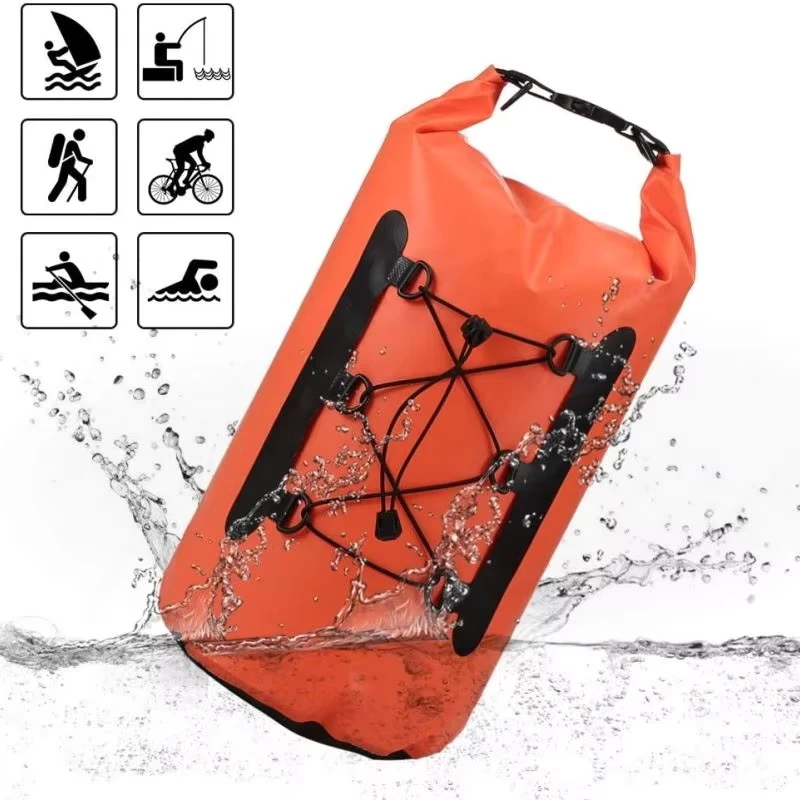
For boating, kayaking, rafting, swimming, and beach use, the 15L dry bag provides compact PVC storage with backpack-style carrying. It is available in 12 colors, supports customized logos, and has a stated minimum order quantity of 100 pieces. A sample lead time of 5–7 days also helps buyers assess construction and branding before volume purchasing.
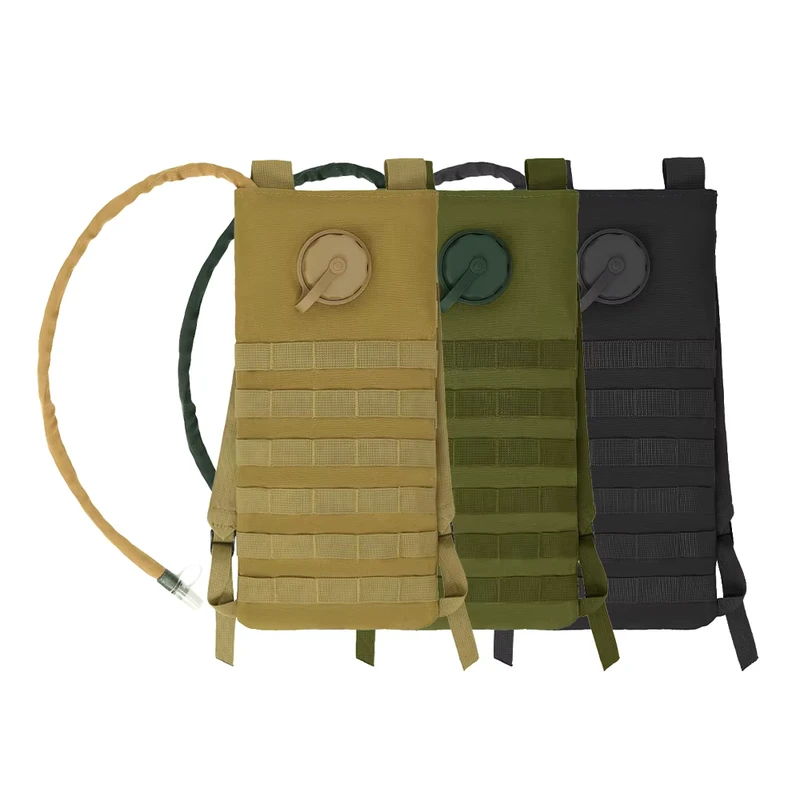
Hydration has a different priority: convenient access to drinking water while moving. The 3L hydration pouch combines a TPU reservoir with a polyester tactical-style carrier. Its MOLLE-compatible format suits hiking, cycling, climbing, running, and outdoor equipment programs where buyers need a wearable hydration solution rather than general dry storage.
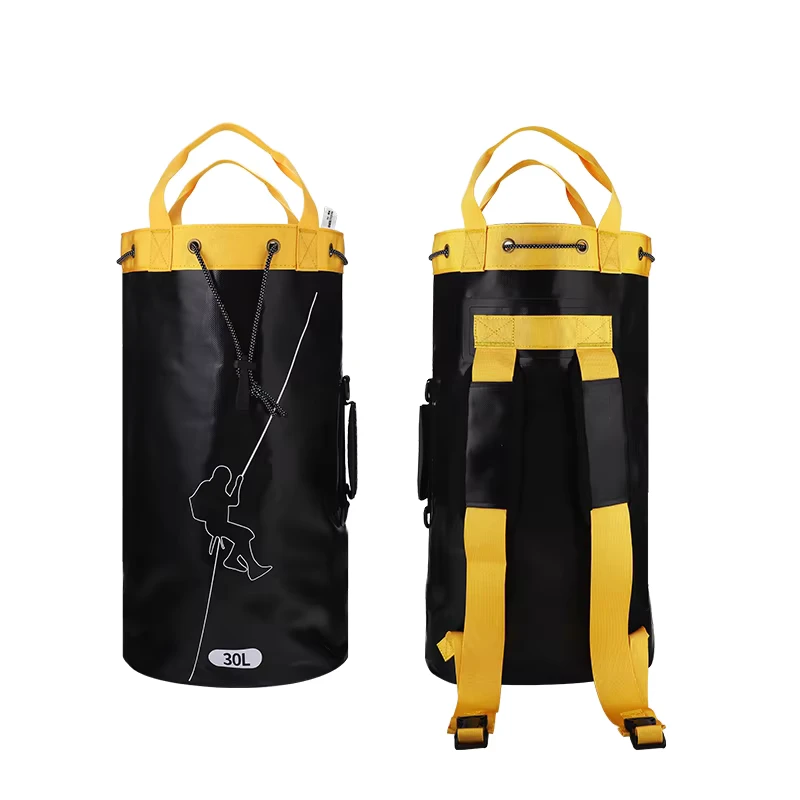
Rope transport requires more volume and rugged organization. The PVC rope bag is offered in 30L, 45L, and 55L capacities for climbing, rappelling, mountaineering, and rescue equipment. Water-resistant and wear-resistant construction, a bottom drain hole, large-capacity storage, and logo customization make it relevant for specialist retailers and project procurement.
Specify Before You Source
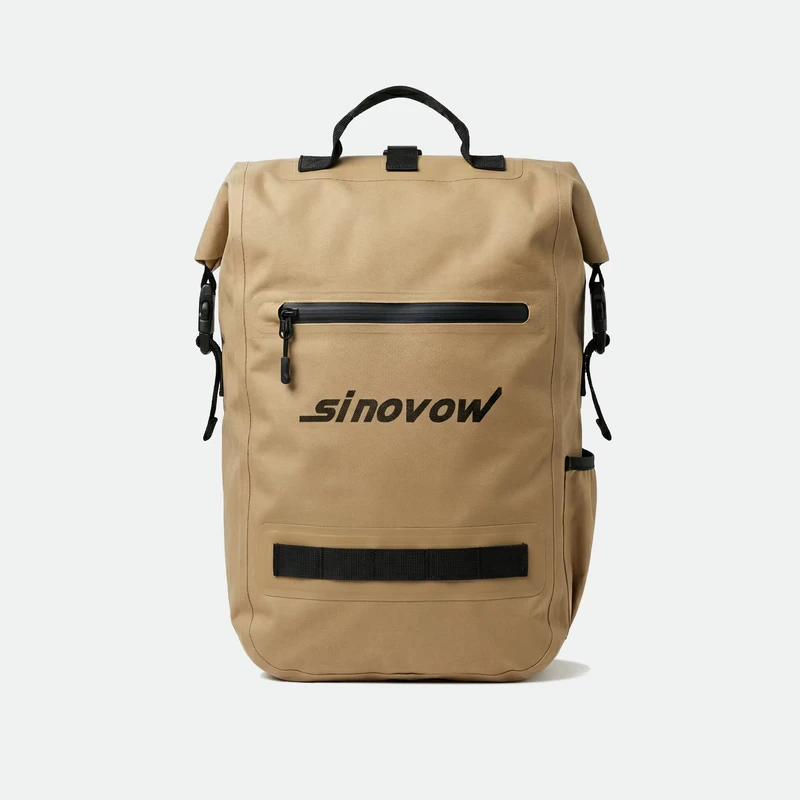
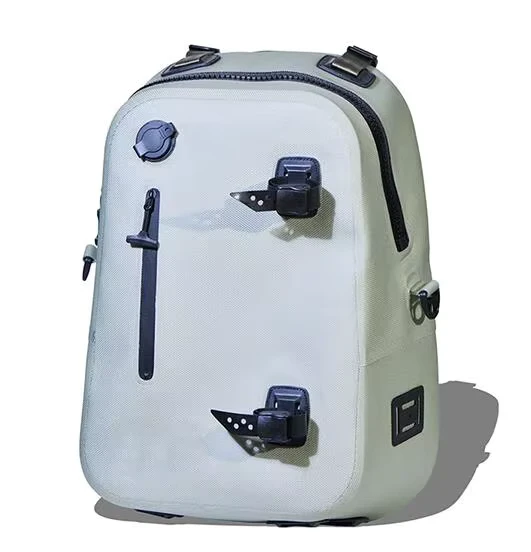
When comparing products in a waterproof backpack collection, confirm the intended activity, capacity, material, logo method, color requirements, packaging, and order quantity. Clear specifications make quotation comparison easier and reduce product-positioning mistakes. Share your target market and purchasing requirements to discuss suitable configurations, samples, and wholesale terms.